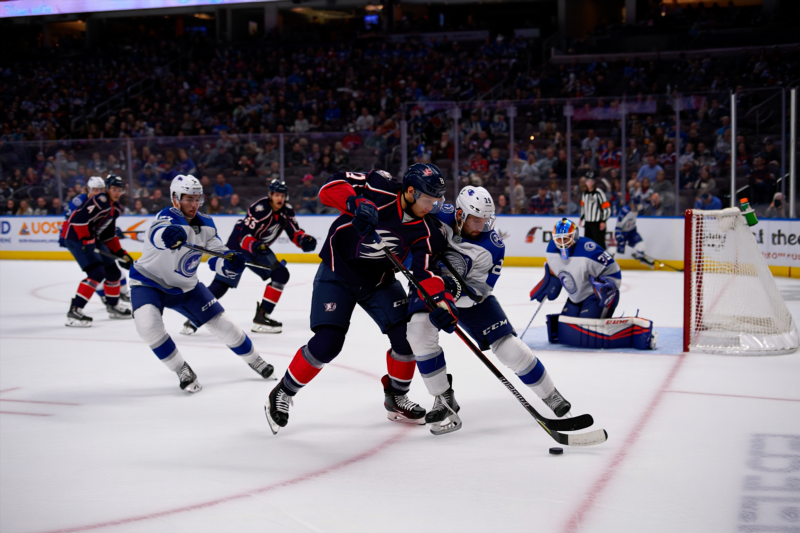
In the high-stakes world of hockey, teams constantly adapt their strategies based on the score situation. Whether they are riding a momentum wave or fighting to close a gap, understanding how teams alter their tactics when leading or trailing is crucial for realizing how game dynamics unfold. IceAscend Analytics, a premium hockey intelligence platform, leverages advanced match analysis, player performance insights, and data-driven predictions to illuminate these tactical adjustments. Discover how strategic recalibrations influence game outcomes and how to harness this knowledge for competitive advantage.
Why Tactics Change Based on Score Effects
Psychological Factors
- Leading teams often shift to a more conservative approach to preserve their advantage.
- Trailing teams tend to take more risks, increasing offensive pressure for a comeback.
Strategic Objectives
- When leading: Focus on stability, ball-control, and minimizing risky plays.
- When trailing: Increase offensive zone time, adopt aggressive forechecking, and push for opportunities.
Data-Driven Insights
IceAscend’s advanced analytics reveal that these tactical adjustments are not random but follow predictable patterns rooted in probability and game theory.
How Teams Adjust When Leading
Defensive Posture and Game Management
- Tighter Defensive Structures: Teams often employ tight box formations to limit opponent shots.
- Lowered Risk-Taking: Fewer pinch-ins and less aggressive forechecking.
- Clock Management: Prioritize puck control and strategic line changes to exploit the clock.
Offensive Strategies to Maintain Lead
- Controlled Zone Entry: Use of dump-ins and safe puck possession.
- Delay Tactics: Passing lanes are closed, and stretch passes reduce turnovers.
- Reduced Up-Tempo Play: Emphasize high-percentage plays over ambitious shots.
Tactical Examples
| Strategy | Purpose | Expected Outcome |
| Tightening Defensive | Limit opponent scoring chances | Reduce risk of equalizer |
| Conservative Play | Minimize turnovers, control pace | Preserve lead, manage game clock |
How Teams Adjust When Trailing
Offensive Innovations
- Increased Shooting Frequency: Shot volume increases to create chaos.
- Aggressive Forechecking: To regain puck possession in the offensive zone.
- Pulling the Goalie: Extra skater for added attacking presence during critical moments.
Defensive Adjustments
- Relaxed Defensive Structure: More risky plays to generate turnovers and scoring opportunities.
- Pressing High: High-pressure strategies to force mistakes.
Tactical Examples
| Strategy | Purpose | Expected Outcome |
| High Forecheck | Regain puck quickly in offensive zone | Increase scoring opportunities |
| Extra Attacker | Create 6-on-5 or 6-on-4 situations | Maximize scoring chances in final minutes |
The Role of Data and Analytics in Tactical Adjustments
IceAscend Analytics harnesses detailed match data to quantify these tactical shifts:
- Expected Goals (xG) Trends: Shows offensive pressure increase when trailing.
- Shot Rate Analysis: Higher shot volume correlates with comebacks.
- Defense Metrics: Tighter defensive zone setups when leading.
Harnessing these insights allows coaches and analysts to anticipate tactical shifts and plan strategies accordingly.
Frequently Asked Questions (FAQs)
How early do teams start adjusting tactics based on the score?
Teams begin tactical adjustments immediately after scoring changes are recognized, often within seconds, based on in-game data and coach strategic planning.
Are certain teams more prone to specific tactical shifts?
Yes, teams with aggressive playstyles tend to take more risks when trailing, whereas conservative teams focus on control when leading.
Can understanding score effects improve betting or fantasy hockey strategies?
Absolutely. Knowing how teams modify tactics based on score situations can inform more accurate predictions of game flow and individual player performances.
Understanding how teams adjust tactics when leading or trailing transforms the way coaches, analysts, and fans interpret hockey games. IceAscend Analytics provides the critical insights that reveal these nuanced shifts—turning raw data into actionable intelligence. Whether you’re aiming to improve team strategies, make smarter bets, or simply deepen your hockey knowledge, recognizing the power of score effects is essential for mastering the game.
Explore these insights now and elevate your hockey analysis.
Call to Action:** Ready to get ahead with cutting-edge hockey intelligence? [Sign up for IceAscend Analytics](#) today and discover how strategic adjustments impact game outcomes. Stay informed. Stay competitive.