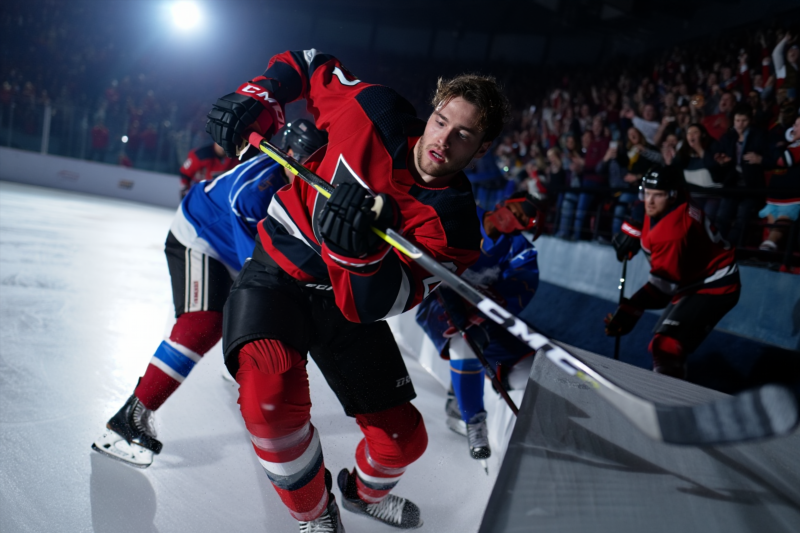
Hockey is a demanding sport that requires a unique blend of physical skill, mental toughness, and strategic thinking. But not all skills are equally vital at every stage of the season. Whether you’re analyzing NHL playoff battles or regular season matchups, understanding which skills hold greater value can make the difference between victory and defeat. IceAscend Analytics, a premium hockey intelligence platform, leverages advanced match analysis and data-driven insights to dissect these nuances. This article compares playoff hockey skills versus regular season skills, helping coaches, players, and enthusiasts identify which abilities are most crucial for success.
The Distinctive Nature of Playoff and Regular Season Hockey
Key Differences Between Playoff and Regular Season
| Aspect | Regular Season Hockey | Playoff Hockey |
| Intensity | Moderate to high | Very high, more physical and mentally demanding |
| Game Speed | Fast-paced but variable | Consistently intense and physical |
| Player Usage | Balanced across the roster | Tight lines and strategic matchups |
| Emotional Pressure | Less intense | High-stakes environment with increased pressure |
| Strategy Focus | Development and experimentation | Precision, resilience, and tactical adaptability |
The transition from regular season to playoffs isn’t just about winning more games; it requires a shift in skill emphasis, priorities, and mental resilience.
Which Skills Are Most Critical in Playoff Hockey?
1. Mental Toughness and Composure Under Pressure
In the high-stakes environment of playoff hockey, mental resilience becomes everything. Players must maintain focus, execute under pressure, and recover swiftly from mistakes.
- Why it matters: The ability to stay calm during intense moments impacts decision-making, boosting performance during critical shifts.
- Key skill: Clutch performance, mental endurance, resilience.
2. Physicality and Endurance
The physical demands spike significantly during playoffs. Battles along the boards, sustained shifts, and physical blocking become commonplace.
- Why it matters: Superior conditioning allows players to sustain higher intensity for longer durations.
- Key skill: Strength, stamina, effective body positioning.
3. Tactical Awareness and Adaptability
Playoff hockey often involves tighter checking, strategic line matching, and game-specific adjustments.
- Why it matters: Recognizing patterns and quickly adapting to opponent strategies can swing momentum.
- Key skill: Hockey IQ, situational awareness, flexibility in tactics.
4. Precision in Execution
Mistakes are more costly during playoffs. Precision in passing, shooting, and defensive positioning becomes paramount.
- Why it matters: Minor lapses can lead directly to scoring chances or goals.
- Key skill: Technical proficiency, decision speed.
5. Special Teams Effectiveness
Power plays and penalty kills tend to be decisive in playoff series.
- Why it matters: Effective special teams can turn the tide of a game.
- Key skill: Discipline, execution under pressure.
Comparing the Value of Skills in the Regular Season
While the skills listed above are vital in playoffs, their priority shifts in the regular season environment.
| Skill | Regular Season Context | Priority Level |
| Physicality | Important but less intense | Moderate |
| Mental toughness | Beneficial | Moderate |
| Tactical awareness | Useful for development | High |
| Technical skills | Essential | Very high |
| Endurance | Critical for sustained performance | High |
In the regular season, developmental skills, conditioning, and technical proficiency form the backbone of success, with less immediate pressure to perform at peak emotional levels.
How to Improve Your Game Strategy Based on Season Context
For Coaches and Teams:
- Focus on fundamentals during the regular season: technical skills, conditioning, and developing team chemistry.
- Prioritize mental resilience and tactical adaptability in the playoffs: simulate high-pressure scenarios during practice.
- Maximize special teams efficiency in postseason preparations.
For Players:
- Strengthen mental toughness with visualization and stress management techniques.
- Enhance conditioning to endure the physical toll of playoffs.
- Sharpen technical skills, especially in high-pressure situations.
Final Thoughts: Prioritizing Skills for Success
In conclusion, playoff hockey demands a different skill set compared to the regular season. While technical proficiency and conditioning are foundational, factors like mental toughness, tactical adaptability, and execution precision often determine playoff success. IceAscend Analytics empowers you with detailed, data-driven insights to identify and develop these critical skills effectively.
Your Next Step:
- Use advanced analytics to evaluate your team’s playoff readiness.
- Develop targeted training programs focusing on high-impact skills.
- Leverage game predictions and strategic breakdowns to refine your playoff game plan.
Transform your understanding of hockey performance today—because in the playoffs, every skill counts.
Frequently Asked Questions (FAQs)
Q1: Can skills learned in the regular season directly translate to playoff success?
A1: Not always. While core skills carry over, increased intensity and pressure in playoffs require refinement of mental toughness, tactical awareness, and execution under stress.
Q2: Which skill is most undervalued in the regular season but critical in playoffs?
A2: Mental resilience and adaptability are often underestimated but become crucial when stakes are high and the physical and emotional toll increases.
Q3: How can data analytics improve playoff preparation?
A3: Data-driven insights reveal team weaknesses, individual performance gaps, and opponent tendencies—guiding strategic adjustments and targeted skill development.
Harness the power of advanced hockey analytics today with IceAscend Analytics—your partner in transforming game insights into winning strategies.