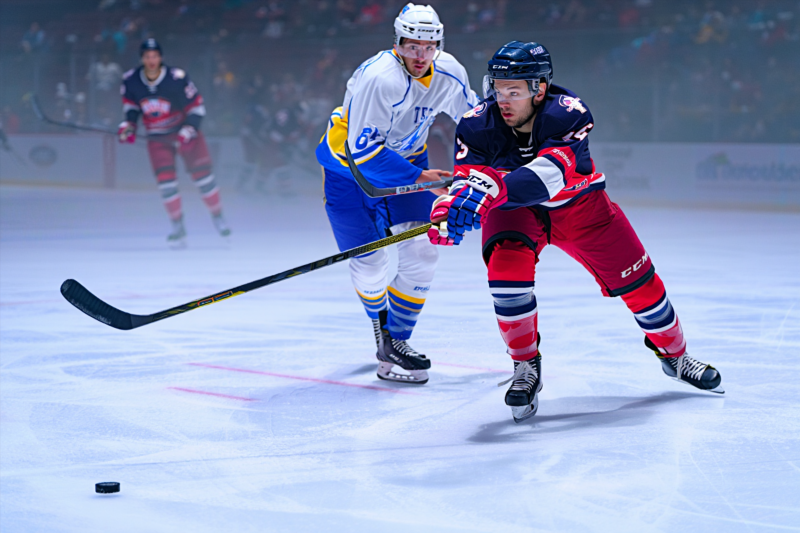
MicroEvents in the Neutral Zone Impact Game Outcomes
Unlocking the Power of Small Plays in Hockey
In high-stakes hockey, every shift, pass, and maneuver matters—especially those occurring in the often-overlooked neutral zone. While flashy goals and highlight-reel saves draw attention, it’s the subtle, microevents in the neutral zone that frequently tip the balance between victory and defeat. Understanding how these small plays influence game outcomes is critical for players, coaches, and analysts aiming to refine their strategies and elevate performance.
What Are MicroEvents in the Neutral Zone?
Microevents refer to the minor, often rapid-fire actions that happen in the neutral zone — the area of the ice between the offensive and defensive zones. These include:
- Puck Retrievals: Gaining control through quick reactions and positioning.
- Lane Disruptions: Blocking passing lanes or forcing turnovers.
- Smart Passes: Precise plays that transition the puck efficiently.
- Forechecking Tactics: Applying pressure to regain possession.
- Stretch Passes: Long, accurate passes that catch opponents off guard.
These actions may seem minor on their own but collectively create a web of strategic advantages that can shape the entire game flow.
How Small Plays Influence the Outcome
1. Transition Efficiency and Puck Control
Effective micro-events in the neutral zone enable smoother transitions from defense to offense. Quick puck recoveries and smart passing reduce opposition counterattacks, leading to increased scoring opportunities. For example, a timely intercept can set up a dangerous counterattack, changing the tempo of the game.
2. Strategic Defensive Positioning
Disrupting offensive setups early—through blocking passing lanes or initiating quick turnovers—can prevent dangerous scoring chances. Small defensive plays in the neutral zone often set the stage for a team’s offensive zone dominance later in the game.
3. Psychological Impact and Momentum
Consistent small wins—like effective forechecking or intercepts—build confidence and put psychological pressure on opponents. Over time, this can lead to mistakes and openings that were otherwise unpredictable.
Strategies to Optimize MicroEvents for Better Results
A. Improve Puck Retrieval Skills
- Focus on positioning and anticipation.
- Use quick, controlled touches rather than big, risky efforts.
- Employ drills that simulate rapid neutral zone transitions.
B. Enhance Communication and Awareness
- Keep players informed about positioning.
- Use visual and verbal cues to coordinate lane disruptions and forechecking.
C. Sharpen Passing Accuracy
- Practice quick decision-making under pressure.
- Prioritize passes that minimize risk and maximize transition speed.
D. Emphasize Gap Control and Stick-positioning
- Maintain tight gaps to limit opponents’ options.
- Use stick placement strategically to intercept or block passes.
Utilizing Data and Analytics to Identify Microevent Patterns
With platforms like IceAscend Analytics, teams can harness advanced match analysis to quantify the impact of each microevent in the neutral zone. Breaking down game footage and integrating data-driven insights reveals:
- Hot zones for turnovers.
- Timing patterns for successful puck recoveries.
- Player positioning that correlates with successful neutral zone plays.
These insights allow for targeted training, strategic adjustments, and smarter game planning.
Final Thoughts: Turning Small Plays into Big Wins
Every minor play in the neutral zone contributes to the broader narrative of a hockey game. When teams and players learn to capitalize on microevents, they can dictate game tempo, control the puck more effectively, and create scoring opportunities consistently.
Harness this knowledge to improve overall game performance—by focusing on the small plays, you set the stage for larger victories. Start integrating data-rich analysis and strategic training today, and transform your approach to neutral zone play.
FAQs
Q: Why are microevents in the neutral zone so critical? A: Because they set the stage for possession changes, transition speed, and defensive stability, leading to scoring chances and defensive robustness.
Q: How can I measure microevents? A: Utilizing advanced hockey analytics platforms like IceAscend Analytics allows for detailed tracking and analysis of small but impactful plays during the game.
Q: What’s the best way to improve neutral zone microplay? A: Focus on positioning through drills, enhance communication, and incorporate data-driven strategies to identify areas for improvement.
Q: Can focusing on microevents really lead to better game outcomes? A: Absolutely. Teams that optimize these small plays often control the game flow, forcing turnovers, and creating scoring opportunities — leading to more wins.
Transform your game by understanding and mastering the power of small plays in the neutral zone — because in hockey, small actions often lead to big victories.