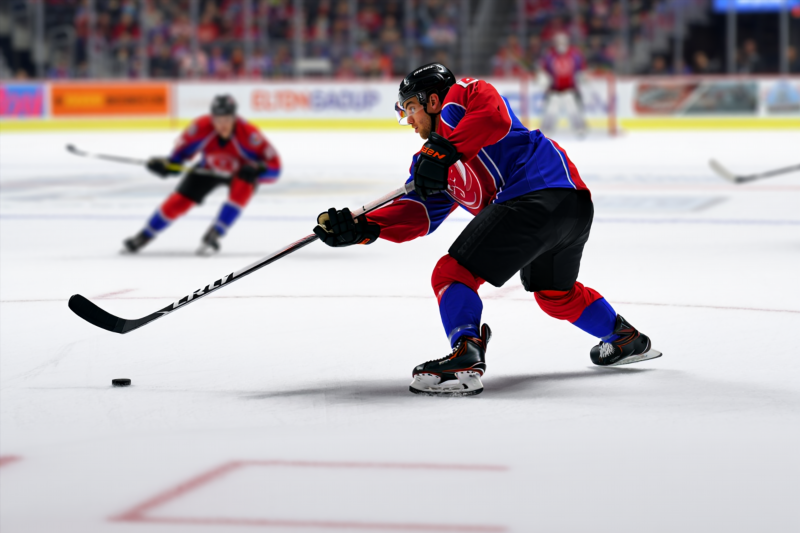
Unlocking the Power of Tracking Data in Hockey Defense
In the fast-paced world of professional hockey, understanding and improving entry defense is crucial for teams aiming to shut down opponents and control play. Traditional scouting and video analysis have always provided valuable insights, but today, advanced tracking technology offers an unprecedented depth of information. These cutting-edge metrics reveal subtle differences in player movements, positioning, and decision-making that can be game-changers on the ice.
IceAscend Analytics leverages this technology to deliver in-depth insights into player performance, focusing on entry defense—a critical zone where games are often won or lost. By analyzing tracking data, teams can identify gaps, optimize positioning, and make data-driven adjustments for superior results.
What Is Entry Defense and Why Is It So Critical?
Understanding Entry Defense
Entry defense refers to a team’s ability to prevent opponents from successfully advancing the puck into their zone during a break-in or an offensive push. Effective entry defense involves not only physical presence but also strategic positioning, timing, and decision-making.
Why It Matters
- Prevent Goals: Effective entry defense reduces scoring chances.
- Regain Possession: Stopping the opponent’s entry allows your team to regain puck control.
- Disrupt Opponent’s Rhythm: Consistent success in this critical area can throw off the opposition’s game plan.
How Tracking Data Unveils Key Insights in Entry Defense
Precise Body Positioning and Stick Placement
Tracking data captures every movement with remarkable accuracy, revealing how players position their bodies relative to opponents and pucks. For example:
- Proper stick angles to intercept passes.
- Optimal body angles to block lanes.
Detection of “Gaps” in Defense
Traditional analysis might overlook subtle gaps that could lead to high-quality scoring chances. Tracking data uncovers:
- Weak Side Leaks: Moments when defenders drift too far from optimal positions.
- Unnecessary Commitments: Instances of overcommitting, leaving gaps elsewhere.
- Speed of Reaction: How quickly defenders adjust to offensive maneuvers.
Quantitative Metrics and Visualizations
Some of the most impactful data points include:
| Metric | Description | Impact on Performance |
| *Stick Gap Index* | Distance between opponent’s stick and defensive stick | Indicates potential opening for passes or shots |
| *Body Angle Deviation* | How much the defender’s body diverges from optimal positioning | Shows risk of vulnerable spots |
| *Reaction Time* | Time taken to respond to opponent movement | Faster reactions lead to better containment |
Practical Applications: Improving Entry Defense Using Tracking Data
1. Identifying and Addressing Gaps
Teams can pinpoint when and where defenders leave openings. For example:
- Recognizing certain players consistently fall into poor positioning.
- Adjusting drills to reinforce correct body angles and stick positioning.
2. Enhancing Training with Quantitative Feedback
Using real tracking data, coaches can:
- Provide personalized coaching points.
- Track progress over time.
- Simulate various scenarios to improve decision-making under pressure.
3. Developing Strategic Defensive Setups
With comprehensive data, teams can:
- Design zone structures emphasizing coverage of identified weak spots.
- Deploy players in roles that maximize strengths uncovered by data insights.
The Future of Entry Defense: Data-Driven Excellence
As tracking technology advances, its application extends beyond basic metrics. Machine learning algorithms now predict potential gaps before they occur, allowing teams to be proactive rather than reactive. The integration of tracking data into coaching and game strategy is transforming hockey defense, making it smarter, faster, and more effective.
Frequently Asked Questions
How does tracking data differ from traditional video analysis?
Tracking data provides continuous, real-time quantitative measurements of player positions, speeds, and movements, offering precise details that are difficult to discern from video alone. While video analysis is excellent for visual context, tracking data allows for objective, measurable insights into positioning and decision-making.
Can tracking data help in training defensemen specifically?
Absolutely. Tracking metrics identify individual tendencies and weaknesses, enabling tailored training programs focused on improving body positioning, reaction times, and decision-making, ultimately elevating a defenseman’s effectiveness.
Is tracking data accessible for youth and amateur teams?
While currently more prevalent at professional levels, advancements are making tracking technology more affordable and accessible for amateur and youth levels, democratizing access to these game-changing insights.
The integration of tracking data into hockey analytics marks a paradigm shift in how teams understand and improve their defense, particularly in the critical area of entry defense. By revealing detailed insights into body positioning, stick placement, and reaction times, teams can close gaps, optimize positioning, and execute defensively with precision.
IceAscend Analytics harnesses this technological power to turn complex data into actionable strategies, transforming every game into a structured model of speed, decisions, and probabilities—giving your team the competitive edge it needs to succeed.
Ready to elevate your team’s defensive performance? Leverage cutting-edge tracking data insights today and stay ahead of the competition. Contact IceAscend Analytics for personalized analytics solutions tailored to your team’s needs.